-
Total Active Hub
When Movement Becomes Money: Live Case Study
In a world where workplace wellbeing often feels like a tick-box exercise, one company has taken a very different approach. Guangdong Dongpo Paper Co has made headlines for linking employee bonuses directly to how much they run each month. It’s bold, controversial, and impossible to ignore.
At its core, the idea is simple. The more employees move, the more they earn. Those who consistently hit higher mileage targets receive their full bonus, while those who fall short receive less. This isn’t a short-term challenge or a seasonal campaign. It’s built into the way the business operates.
And that’s what makes it so interesting.
Because while many organisations are still experimenting with gym discounts or one-off wellbeing days, Guangdong Dongpo Paper Co has embedded movement into its reward system. It has shifted physical activity from something optional to something that directly influences outcomes.
The result is clear. When movement is tied to something meaningful, behaviour changes. Employees don’t just think about being active, they actually do it. Consistency increases, habits begin to form, and activity becomes part of everyday life rather than an occasional effort.
But the impact goes beyond individual behaviour. It starts to shape culture. Movement becomes visible across the organisation. It becomes something people talk about, something they share, and something that connects teams. It moves from being a “wellbeing initiative” to becoming part of how the company operates.
At the same time, it introduces a level of accountability that many wellbeing programmes struggle to achieve. There is a clear link between effort and reward. Employees understand what is expected, and they can see the outcome of their actions.
However, this approach is not without its challenges. It raises important questions around inclusivity and fairness. Not every employee can run. Not everyone is starting from the same point. For some, this kind of model could feel more like pressure than motivation.
And this is where many organisations hesitate. They recognise the power of incentives, but they struggle to implement them in a way that works for everyone.
The real lesson from Guangdong Dongpo Paper Co isn’t about running. It’s about systems. They have identified a fundamental problem that exists in most workplaces. Movement is not embedded into daily behaviour. Instead, it sits on the sidelines, supported by initiatives that often fail to reach the majority of employees.
This is exactly the problem that Total Active Hub is designed to solve.
Rather than focusing on a single activity or a narrow group of employees, Total Active Hub creates a system that supports movement in all its forms. Walking, stretching, cycling, team activities, and everyday movement all count. The focus shifts from performance to participation, making it accessible to everyone regardless of fitness level, role, or location.
Incentives still play a crucial role, but they are designed differently. Instead of rewarding only high performers, Total Active Hub rewards consistency. Employees are encouraged to achieve 150 minutes of movement per week, aligned with health guidelines, and are recognised for building sustainable habits over time. This creates motivation without exclusion.
More importantly, movement becomes part of the daily rhythm of work. Through nudges, challenges, and shared experiences, employees are encouraged to move regularly, not just occasionally. It becomes social, visible, and consistent. Over time, this is what drives real change.
For organisations, the value goes even further. Total Active Hub provides data and insights that show how employees are engaging, where gaps exist, and how behaviour is evolving. This allows leaders to move beyond assumptions and start making informed decisions about their wellbeing strategy.
What Guangdong Dongpo Paper Co has done is shine a light on something many businesses have overlooked. If you properly incentivise movement, people respond. The challenge is not whether it works, but how to make it work in a way that is inclusive, sustainable, and scalable.
You don’t need to tie bonuses to running distance to create impact. But you do need to move beyond one-off initiatives and start thinking about movement as part of your organisation’s infrastructure.
Because in the end, the businesses that succeed won’t be the ones with the best intentions. They’ll be the ones that influence what their people do every day.
And that’s where real change happens.
If you're interested to know if you're physical wellbeing strategy supports all employees, why not take our 3-minute assessment.
-
National Walking Month: The Most Underrated Habit for Better Health
blog
by
Total Active Hub
-
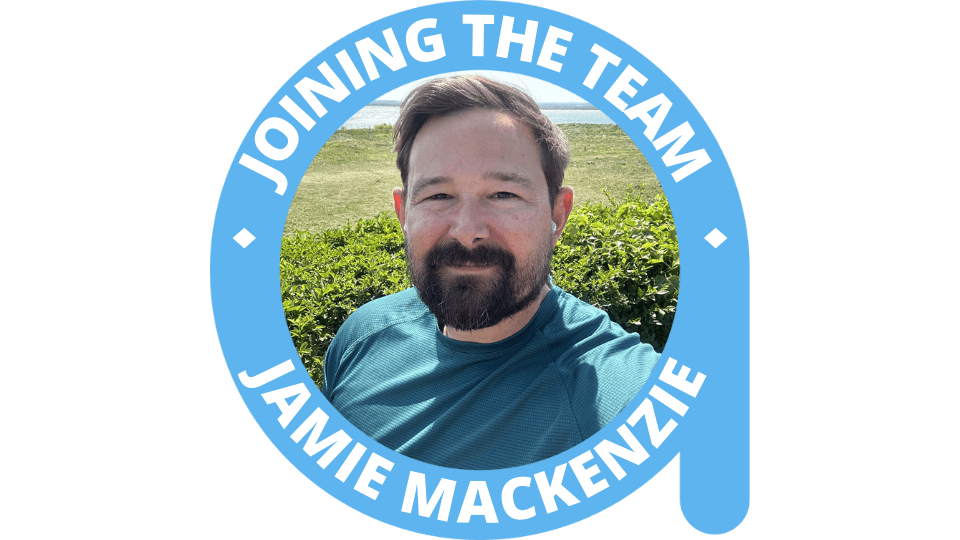
Total Active Hub Makes New Appointment
news
by
Total Active Hub -
Total Active Hub and Network Rail Unveil Epic Challenge to Get the Rail Industry Moving
news
by
Total Active Hub -

Move More, Stress Less: How Physical Activity Helps Manage Stress
blog
by
Total Active Hub
-
-
Success Stories
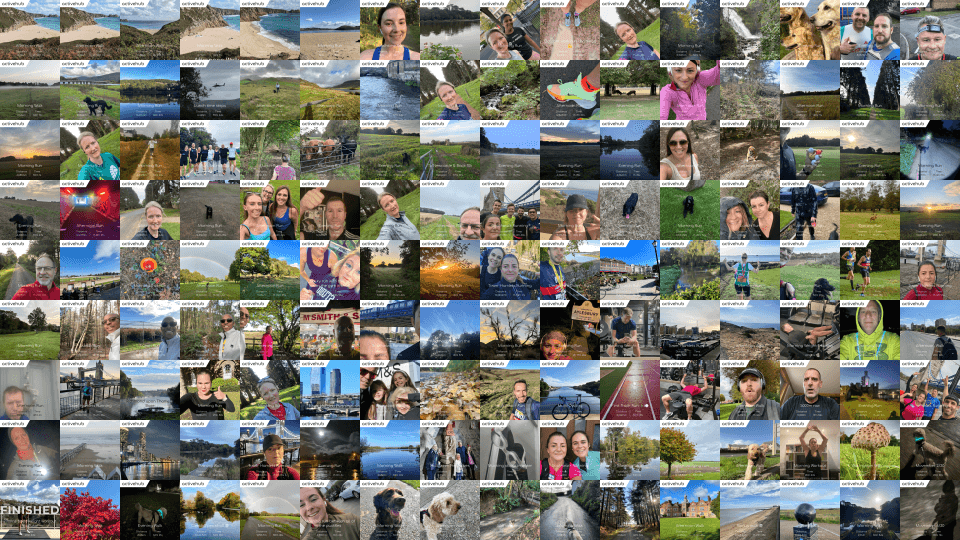
Every day, hundreds of activities are recorded across Total Active Hub, by users wanting to make a real difference to their physical health.
Our users are empowered by their employers to move at least 150 minutes per week whilst being rewarded with numerous incentives such as charity donations, trees and school meals.
Why not take a few moments to read and be inspired by our real-life success stories?
