-
Total Active Hub
Day-One SSP: The Cost of Inactivity Just Went Up
The introduction of day-one Statutory Sick Pay (SSP) under the Employment Rights Act marks a significant shift in how organisations must think about employee wellbeing, workforce resilience, and the true operational cost of inactivity, because for the first time many employers are now feeling a much more immediate financial and operational impact from short-term sickness absence that previously may not have carried the same level of visibility or urgency.
For years, physical wellbeing in the workplace has often been positioned as a benefit sitting alongside other wellbeing perks, such as gym discounts, yoga classes, webinars, or awareness campaigns, however the reality is that many of these initiatives, although well-intentioned, tend to engage the same already-active employees while leaving behind the large proportion of the workforce who are time-poor, disengaged, inactive, overwhelmed, or simply disconnected from traditional fitness culture.
The challenge facing organisations today is not necessarily that employees do not understand the importance of physical health, because most people already know movement is good for them, but rather that modern working life has systematically engineered movement out of the working day through long periods of sitting, back-to-back virtual meetings, commuting, screen-heavy environments, hybrid working patterns, and increasingly sedentary lifestyles that gradually contribute to low energy, musculoskeletal discomfort, fatigue, disengagement, poor routine, and declining physical resilience over time.
Now, with the introduction of day-one SSP, the commercial conversation has changed significantly because employers are no longer simply thinking about wellbeing as a cultural initiative or employee perk, they are increasingly thinking about how to reduce avoidable absence, improve workforce energy, maintain productivity, support long-term employee health, and create healthier behaviours that positively influence the day-to-day experience of work itself.
This creates a major opportunity for organisations to rethink their approach to physical wellbeing by moving away from reactive interventions that only support employees once problems have already emerged, and instead begin embedding preventative behaviours into the everyday rhythm of work, with movement becoming one of the most accessible, inclusive, and scalable ways to support that transition.
Importantly, movement should not be misunderstood as simply encouraging employees to spend more time in the gym or take part in intense exercise programmes, because in reality the biggest impact often comes from creating small, achievable, consistent moments of movement throughout the working week that feel accessible to all employees regardless of fitness level, confidence, age, location, or role within the organisation.
This could include encouraging walking meetings, creating team-based movement challenges, promoting lunchtime movement, recognising consistency rather than performance, introducing short active breaks throughout the day, building social accountability into movement habits, or simply creating a culture where physical movement becomes a visible and accepted part of working life rather than something employees feel they must do outside of work hours.
What makes movement particularly powerful within the workplace is that it influences multiple areas simultaneously, because alongside the obvious physical health benefits it can also positively support mental wellbeing, social connection, motivation, routine, energy levels, confidence, engagement, and overall employee experience, which is increasingly important at a time when organisations are facing growing pressure around absenteeism, retention, burnout, disengagement, and productivity challenges across both desk-based and hybrid workforces.
The organisations that will lead in this next era of workplace wellbeing will be the ones that stop viewing physical wellbeing as a standalone campaign or annual initiative and instead start treating movement as infrastructure that supports the long-term health and resilience of their workforce in the same way businesses already invest in communication systems, learning platforms, productivity tools, and operational technology.
This means moving beyond isolated wellbeing weeks or one-off fitness campaigns and instead creating an always-on approach that helps employees build healthier routines over time through consistency, accessibility, participation, and cultural reinforcement, because sustainable behaviour change rarely happens through intensity alone, but rather through creating environments that make healthy behaviours easier to maintain every single day.
As the economic and operational impact of sickness absence becomes increasingly visible under day-one SSP, businesses have an opportunity to ask themselves an important question: is their current physical wellbeing strategy genuinely reaching the majority of employees, or is it primarily serving the people who are already engaged with health and fitness?
At Total Active Hub, we call this challenge “The Movement Gap”, the growing disconnect between the wellbeing support organisations provide and the employees who actually engage with it, because while many businesses have invested heavily in wellbeing benefits over recent years, participation, inclusivity, and long-term behavioural impact often remain surprisingly low.
That is exactly why we created our free Physical Wellbeing Inclusivity Assessment, which helps organisations quickly understand how inclusive, accessible, and engaging their current physical wellbeing approach really is, while also identifying opportunities to better support healthier workforce behaviours across the organisation.
If you would like to assess how inclusive your current physical wellbeing strategy is, you can complete the free assessment here: https://wellbeing.totalactivehub.com
-
When Movement Becomes Money: Live Case Study
blog
by
Total Active Hub
-
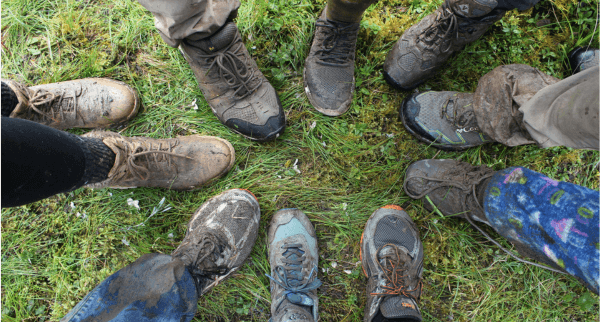
National Walking Month: The Most Underrated Habit for Better Health
blog
by
Total Active Hub -
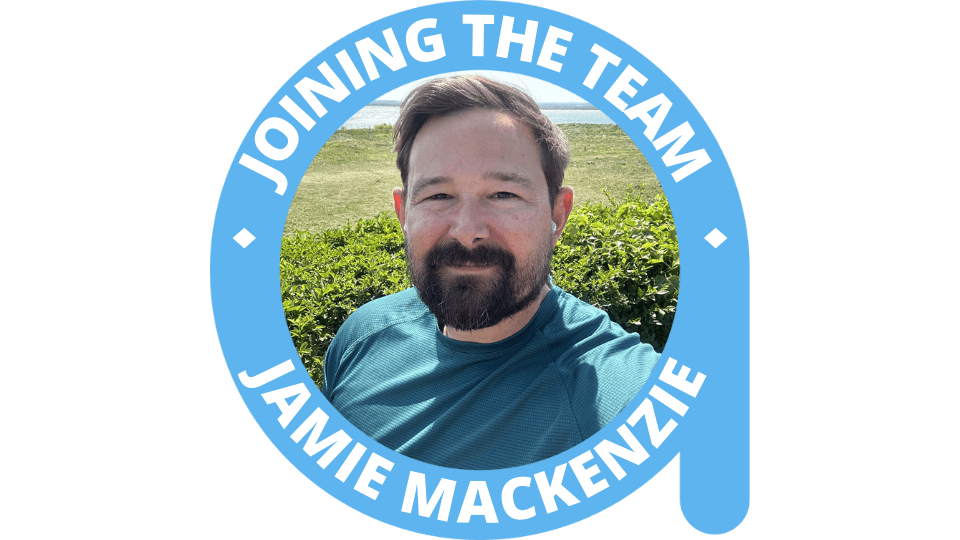
Total Active Hub Makes New Appointment
news
by
Total Active Hub -
Total Active Hub and Network Rail Unveil Epic Challenge to Get the Rail Industry Moving
news
by
Total Active Hub
-
-
Success Stories
Every day, hundreds of activities are recorded across Total Active Hub, by users wanting to make a real difference to their physical health.
Our users are empowered by their employers to move at least 150 minutes per week whilst being rewarded with numerous incentives such as charity donations, trees and school meals.
Why not take a few moments to read and be inspired by our real-life success stories?
